Mastering Visual Communication: The Power of Isometric Chair 3D Render Pack 70 for Modern Design Projects
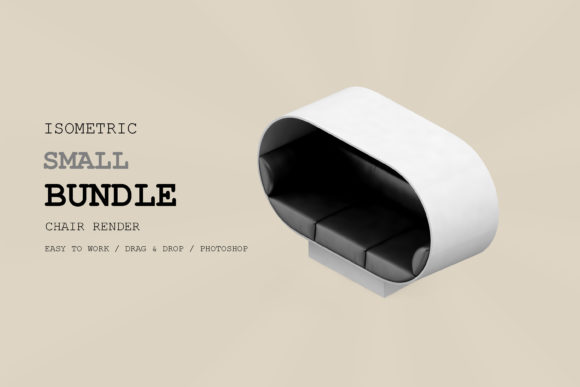
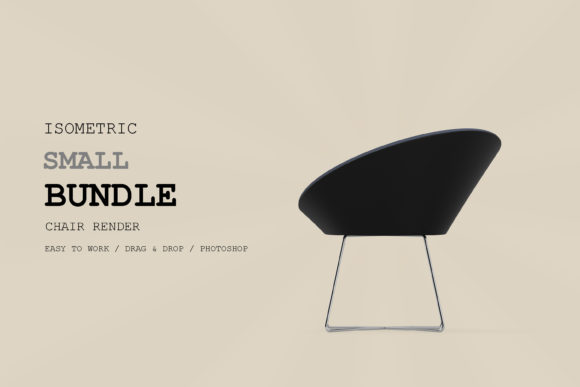
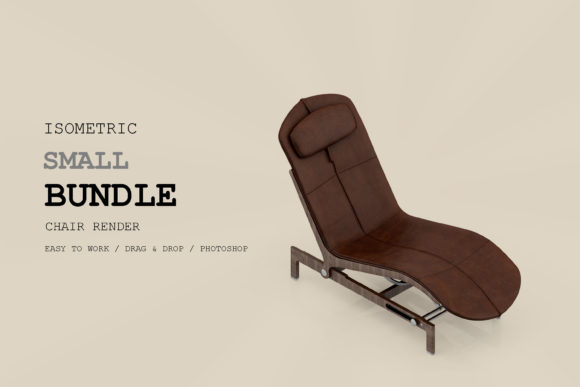
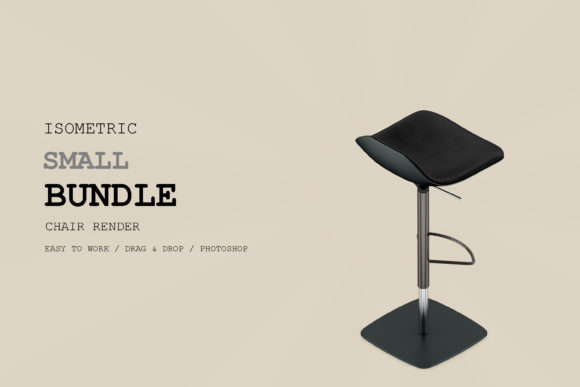
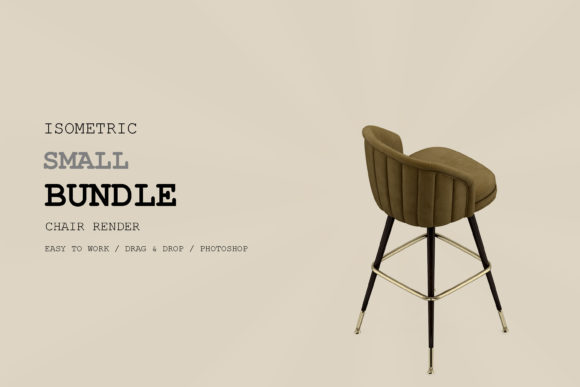
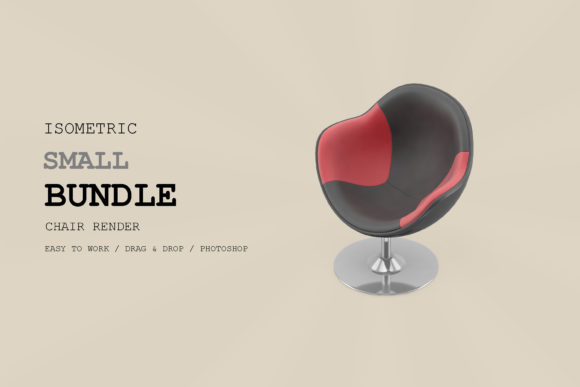
In the rapidly evolving landscape of digital design, visual clarity is paramount. Whether you are an architect presenting a concept to a client, a marketer crafting a social media campaign, or a student working on a final thesis project, the quality of your 3D assets can make or break your presentation. This is where specialized asset packs become indispensable tools in a designer’s workflow. Among these, the Isometric Chair 3D Render Pack 70 stands out as a versatile, high-quality resource designed to elevate any project that requires realistic yet stylized furniture representation.
This article explores why this specific render pack—available in both standard and separated background formats—is a game-changer for professionals and hobbyists alike. We will delve into its technical specifications, practical applications, and how it fits seamlessly into modern creative workflows.
Understanding the Isometric Perspective in Design
Before diving into the specifics of Pack 70, it is essential to understand the power of the isometric view. Unlike traditional perspective drawings, which use vanishing points to create depth, isometric projection uses parallel lines to represent three-dimensional objects on a two-dimensional plane. This results in a clean, geometric aesthetic that is easy to read and visually pleasing.
Why does this matter? In business and education, clarity often trumps artistic realism. An isometric view allows viewers to see the top, front, and side of an object simultaneously without distortion. This makes it perfect for:
- User Interface (UI) Design: Creating intuitive dashboards and infographics.
- Technical Documentation: Showing assembly instructions or spatial relationships.
- E-commerce: Displaying products from multiple angles in a single, cohesive image.
The Isometric Chair 3D Render Pack 70 leverages this perspective to offer a library of chairs that are not only aesthetically pleasing but also functionally clear.
Technical Excellence: High Resolution and Organized Layers
One of the most critical aspects of using 3D renders in professional work is the ability to edit them post-acquisition. You cannot simply paste a flat image into a complex layout and expect it to look native. This is where the technical features of Pack 70 shine.
High Resolution at 300 DPI
The pack offers images at a resolution of 300 DPI (dots per inch). For those unfamiliar with print terminology, 300 DPI is the industry standard for high-quality printing. If you are designing a brochure, a magazine ad, or a large-format poster, low-resolution images will appear pixelated and blurry when printed. By starting with a 300 DPI source, designers ensure that their chair illustrations remain crisp and sharp, regardless of the output size.
Organized Layers and Separated Shadows
Perhaps the most valuable feature of this pack is the inclusion of organized layers and separated shadows. In graphic design software like Adobe Photoshop or Illustrator, "layers" allow different elements of an image to be edited independently.
When shadows are separated from the main object, you gain unprecedented control over your composition. For example:
- Customizable Lighting: You can change the direction or intensity of the shadow to match the lighting of your specific scene.
- Background Integration: A separated shadow allows the chair to sit naturally on any background, whether it is a solid color, a textured floor, or a busy architectural photo.
- Non-Destructive Editing: You can adjust the opacity of the shadow to make it softer or harder, mimicking real-world light behavior without altering the chair itself.
Versatility Across Industries: Where Can It Be Used?
The true value of the Isometric Chair 3D Render Pack 70 lies in its adaptability. It is not limited to a single niche but serves a wide array of industries. Let’s explore some of the primary use cases.
Architecture and Interior Design
Architects often need to present interior spaces in a way that clients can easily understand. Isometric views are excellent for floor plans and space planning. Using Pack 70, an architect can place a specific chair model into a room layout to demonstrate scale, style, and flow. The separated background version is particularly useful here, allowing the designer to composite the chair into a rendered room scene with precise alignment.
School Projects and Education
For students in design, marketing, or architecture courses, creating original 3D models can be time-consuming and technically challenging. This pack provides a shortcut to professional-looking visuals. Students can focus on the conceptual aspects of their projects—such as layout, color theory, and messaging—rather than getting bogged down in the modeling process. The high resolution ensures that printed submissions look as good as digital ones.
Social Media and Digital Marketing
In the age of Instagram, Pinterest, and LinkedIn, content needs to be visually striking to stop the scroll. Isometric illustrations have a trendy, modern feel that performs well on social platforms. Marketers can use these chair renders in:
- Infographics: To illustrate office setups or ergonomic benefits.
- Promotional Posts: Highlighting furniture sales or home decor trends.
- Blog Headers: Adding visual interest to articles about workplace productivity or interior styling.
Website Design and UI/UX
Websites benefit greatly from consistent visual languages. An isometric style can unify a website’s branding, making it feel cohesive and professional. Web designers can use the Isometric Chair 3D Render Pack 70 to create custom illustrations for landing pages, especially for companies in the furniture, real estate, or co-working space sectors. The organized layers allow developers to optimize file sizes by exporting only the necessary parts of the image, ensuring fast load times.
Print Projects and Advertising
As mentioned earlier, the 300 DPI resolution makes this pack ideal for print. Advertisements in magazines, flyers, and billboards require high fidelity. The separated shadow feature allows advertisers to place the chair in dynamic compositions, such as floating in mid-air or sitting on abstract shapes, creating eye-catching ads that stand out from the competition.
Maximizing Efficiency with the Help File
A common misconception about digital asset packs is that they are "plug-and-play" without guidance. However, the Help File included with Pack 70 is a crucial component of its value proposition. This documentation typically provides:
- Installation Instructions: How to properly import the files into your design software.
- Layer Structure Overview: A map of how the PSD or AI files are organized, helping users find the shadow layer or the base mesh quickly.
- Tips and Tricks: Advice on how to blend the isometric shadows with other elements for a realistic look.
By utilizing the help file, even beginners can avoid common pitfalls, such as misaligned shadows or incorrect scaling, saving hours of troubleshooting time.
Conclusion: Elevate Your Visual Storytelling
The Isometric Chair 3D Render Pack 70 is more than just a collection of images; it is a toolkit for effective visual communication. Its combination of high resolution, organized layers, and separated shadows addresses the core needs of modern designers: flexibility, quality, and efficiency.
Whether you are building a portfolio for school, designing a commercial website, or preparing a pitch for an architecture firm, having access to premium, ready-to-use assets allows you to focus on what matters most: your ideas. By integrating this pack into your workflow, you ensure that your projects are not only visually appealing but also technically robust, capable of standing up to the demands of both digital and print media.
In a world where attention spans are short and visual standards are high, investing in quality resources like Pack 70 is a smart move for anyone looking to produce professional-grade work.